




















-45%
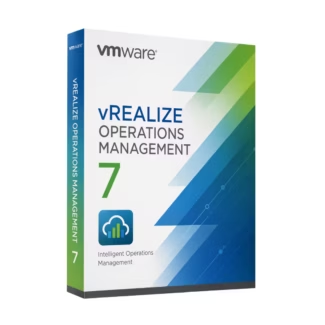
VMware vRealize Operations Management 7
24.90 €
Select optionsThis product has multiple variants. The options may be chosen on the product page

Start by reviewing CPU virtualization support, available RAM, and disk I/O capacity. Running too many virtual machines on limited resources can cause bottlenecks. Monitoring current usage helps determine realistic VM limits.
Under-licensing can lead to compliance issues, unexpected audits, and operational restrictions. It may also limit future scalability when workloads increase. Proper licensing protects both system stability and legal compliance.
Mixed environments require careful configuration of drivers, networking, and resource allocation. Separating workloads by function helps reduce conflicts. Consistent management policies simplify maintenance across different systems.
Snapshots are useful short-term but can impact performance if left unmanaged. Relying on snapshots instead of proper backups increases risk. They should be used selectively and removed once no longer needed.
Virtualization simplifies disaster recovery by allowing entire systems to be restored as virtual machines. However, recovery plans must account for licensing, storage access, and host availability. Regular testing ensures recovery processes remain reliable.

Customise your consent preferences for Cookie Categories and advertising tracking preferences for Purposes & Features and Vendors below. You can give granular consent for each Third Party Vendor and Google Ad Tech Provider. Most vendors require explicit consent for personal data processing, while some rely on legitimate interest. However, you have the right to object to their use of legitimate interest. Additionally, please note that your preferences regarding purposes and vendors are saved in a cookie named 'euconsent' on your device and may be retained for up to 730 days to remember your choices.
Necessary cookies are required to enable the basic features of this site, such as providing secure log-in or adjusting your consent preferences. These cookies do not store any personally identifiable data.
Analytical cookies are used to understand how visitors interact with the website. These cookies help provide information on metrics such as the number of visitors, bounce rate, traffic source, etc.
Advertisement cookies are used to provide visitors with customised advertisements based on the pages you visited previously and to analyse the effectiveness of the ad campaigns.
Functional cookies help perform certain functionalities like remembering your preferences and customising your experience on the website.
This section lists the purposes for which partners process your data and the features they use. You can object to the use of legitimate interests.
This section lists third-party vendors that may process your data. You can review and manage consent for each vendor individually.